Blog
Scleroderma and Its Effects on Foot Health

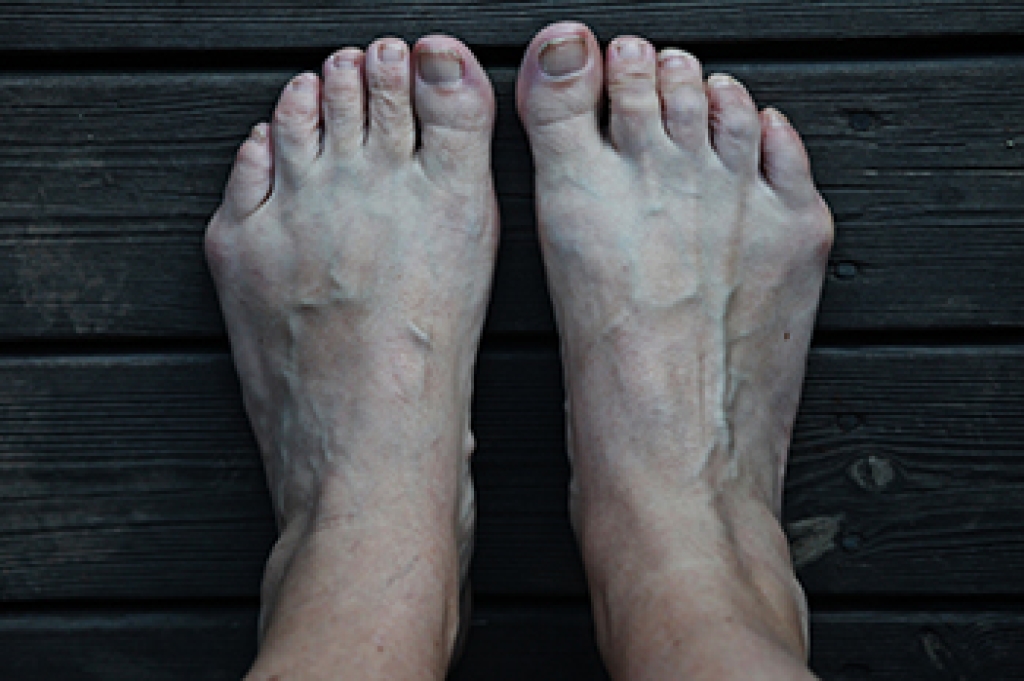
Scleroderma is a chronic autoimmune connective tissue disorder in which the body produces excess collagen, leading to thickening and tightening of the skin and underlying tissues. When this condition affects the feet it may cause stiffness, reduced flexibility, and changes in circulation that influence comfort during walking. Symptoms include tight skin, joint discomfort, swelling, and sensitivity to cold temperatures. Many individuals also experience Raynaud's phenomenon, a circulation-related condition in which the toes change color and become painful when exposed to cold or stress. Causes involve immune system dysfunction and genetic susceptibility. Risk factors may include family history and autoimmune disease patterns. A podiatrist can help manage foot symptoms and improve comfort. If foot pain or circulation concerns develop, it is suggested that you consult a podiatrist who can help you to manage this condition.
Foot Pain
Foot pain can be extremely painful and debilitating. If you have a foot pain, consult with Daniel Mendoza, DPM from Nashville Podiatry. Our doctor will assess your condition and provide you with quality foot and ankle treatment.
Causes
Foot pain is a very broad condition that could be caused by one or more ailments. The most common include:
- Bunions
- Hammertoes
- Plantar Fasciitis
- Bone Spurs
- Corns
- Tarsal Tunnel Syndrome
- Ingrown Toenails
- Arthritis (such as Gout, Rheumatoid, and Osteoarthritis)
- Flat Feet
- Injury (from stress fractures, broken toe, foot, ankle, Achilles tendon ruptures, and sprains)
- And more
Diagnosis
To figure out the cause of foot pain, podiatrists utilize several different methods. This can range from simple visual inspections and sensation tests to X-rays and MRI scans. Prior medical history, family medical history, and any recent physical traumatic events will all be taken into consideration for a proper diagnosis.
Treatment
Treatment depends upon the cause of the foot pain. Whether it is resting, staying off the foot, or having surgery; podiatrists have a number of treatment options available for foot pain.
If you have any questions, please feel free to contact our office located in Hendersonville, TN . We offer the newest diagnostic and treatment technologies for all your foot care needs.
Qualities of Well-Fitted Running Shoes

Running shoes play an important role in protecting feet and supporting a comfortable stride during exercise. Well-fitted shoes should provide proper cushioning to absorb impact and reduce stress on joints and muscles. Good arch support and reliable stability help maintain balance and reduce the risk of strain or overuse injuries. Breathable materials allow air flow that helps keep feet cool and dry during long runs. Additionally, the toe box should feel roomy while the heel remains secure to prevent slipping and friction. A podiatrist can evaluate foot structure and gait to recommend foot-friendly shoe features that match individual needs. If you experience foot pain after running, it is suggested that you consult a podiatrist who can treat various foot conditions and guide you on the correct shoes to wear.
You should always make sure your running shoes fit properly in order to avoid injury. For more information, contact Daniel Mendoza, DPM from Nashville Podiatry. Our doctor can provide the care you need to keep you pain-free and on your feet.
Choosing the Right Running Shoe for Your Foot Type
Improper shoe sizing can cause a myriad of problems for your feet. Shoes that don’t fit you properly can lead to muscular imbalances in your body, which can result in foot, knee, and hip injuries.
Tips for Finding the Right Running Shoe
- Make sure you have a thumb’s width of wiggle room between the end of your longest toe and the front of the shoe.
- There should be little to no slipping at the heel
- Don’t assume your size in one shoe brand will be your size in another
- Do not lace up your shoes too tightly
- Walk around in the store with your new shoes before you buy them
If you have any questions, please feel free to contact our office located in Hendersonville, TN . We offer the newest diagnostic and treatment technologies for all your foot care needs.
Dealing With Foot Pressure Ulcers

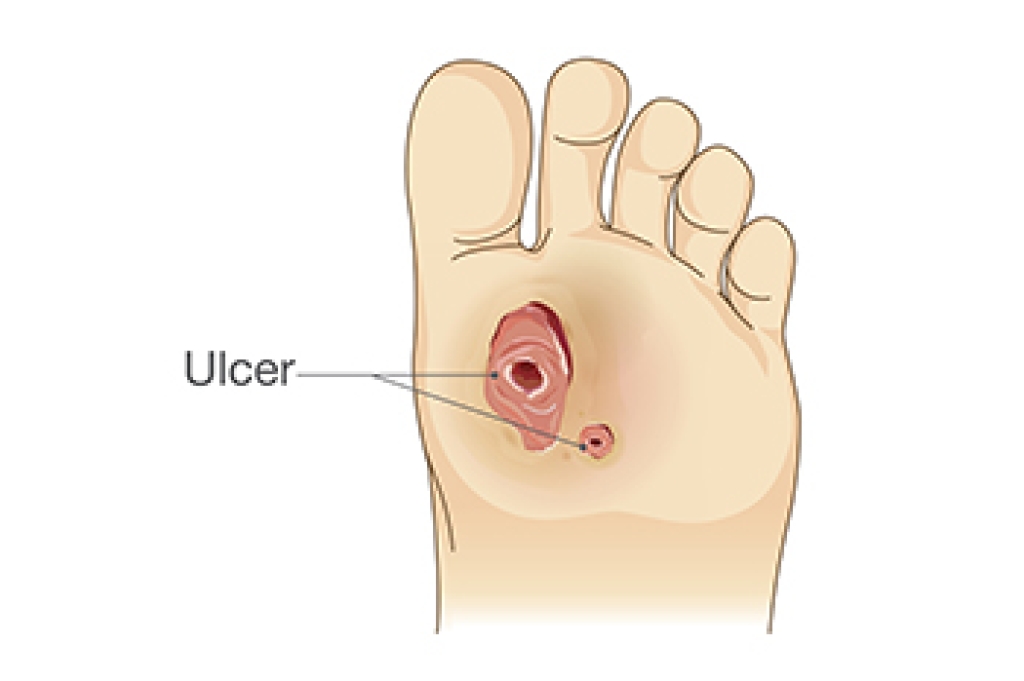
Pressure ulcers on the feet, heels, and ankles are skin injuries caused by constant pressure that reduces blood flow to the area. They are more common in people who spend long periods in bed or in a wheelchair. Early signs include skin that looks red, purple, or blue and does not turn white when pressed. The area may feel warm, firm, or painful. If the pressure continues, the skin can break down and form an open sore, or ulcer. In severe cases, the wound can become deep enough to reach muscle or bone. Risk factors include diabetes, poor circulation, nerve damage, and limited movement. A podiatrist can examine the skin, check blood flow and feeling in the feet, and determine the stage of the ulcer. Treatment involves removing damaged tissue if needed, and applying proper wound dressings and pressure-relieving devices to protect healing tissue. If you have developed pressure ulcers in the lower limbs, it is suggested that you make an appointment with a podiatrist for an exam, diagnosis, and treatment.
Wound care is an important part in dealing with diabetes. If you have diabetes and a foot wound or would like more information about wound care for diabetics, consult with Daniel Mendoza, DPM from Nashville Podiatry. Our doctor will assess your condition and provide you with quality foot and ankle treatment.
What Is Wound Care?
Wound care is the practice of taking proper care of a wound. This can range from the smallest to the largest of wounds. While everyone can benefit from proper wound care, it is much more important for diabetics. Diabetics often suffer from poor blood circulation which causes wounds to heal much slower than they would in a non-diabetic.
What Is the Importance of Wound Care?
While it may not seem apparent with small ulcers on the foot, for diabetics, any size ulcer can become infected. Diabetics often also suffer from neuropathy, or nerve loss. This means they might not even feel when they have an ulcer on their foot. If the wound becomes severely infected, amputation may be necessary. Therefore, it is of the upmost importance to properly care for any and all foot wounds.
How to Care for Wounds
The best way to care for foot wounds is to prevent them. For diabetics, this means daily inspections of the feet for any signs of abnormalities or ulcers. It is also recommended to see a podiatrist several times a year for a foot inspection. If you do have an ulcer, run the wound under water to clear dirt from the wound; then apply antibiotic ointment to the wound and cover with a bandage. Bandages should be changed daily and keeping pressure off the wound is smart. It is advised to see a podiatrist, who can keep an eye on it.
If you have any questions please contact our office located in Hendersonville, TN . We offer the newest diagnostic and treatment technologies for all your foot and ankle needs.
Recognizing Signs of Arthritis in the Feet

Arthritis in the feet occurs when joint cartilage gradually wears down or becomes damaged, leading to inflammation and painful movement. Each foot contains dozens of joints, so even small structural changes can affect walking and balance. Early signs of arthritis include aching during activity, swelling, stiffness after rest, and tenderness when pressure is placed on the foot. Osteoarthritis, which commonly affects the big toe joint, develops from long-term joint wear. Rheumatoid and psoriatic arthritis result from immune system disorders that attack joint tissue. Previous injury, aging, excess body weight, family history, and abnormal foot mechanics can increase risk. A podiatrist can evaluate joint motion, identify deformities, order diagnostic imaging, and design a medical plan to reduce inflammation and protect joint function. If you have symptoms of arthritis in the feet, it is suggested that you make an appointment with a podiatrist for an exam, diagnosis, and ongoing treatment.
Arthritis can be a difficult condition to live with. If you are seeking treatment, contact Daniel Mendoza, DPM from Nashville Podiatry. Our doctor can provide the care you need to keep you pain-free and on your feet.
Arthritic Foot Care
Arthritis is a joint disorder that involves the inflammation of different joints in your body, such as those in your feet. Arthritis is often caused by a degenerative joint disease and causes mild to severe pain in all affected areas. In addition to this, swelling and stiffness in the affected joints can also be a common symptom of arthritis.
In many cases, wearing ill-fitting shoes can worsen the effects and pain of arthritis. Wearing shoes that have a lower heel and extra room can help your feet feel more comfortable. In cases of rheumatoid arthritis, the arch in your foot may become problematic. Buying shoes with proper arch support that contour to your feet can help immensely.
Alleviating Arthritic Pain
- Exercises that stretch the foot can prevent further pain and injury and increase mobility
- Most of the pain can be alleviated with anti-inflammatory drugs, heat, and topical medications
- Massages can help temporarily alleviate pain.
It is best to see your doctor for the treatment that is right for your needs and symptoms. Conditions vary, and a podiatrist can help you determine the right method of care for your feet.
If you have any questions please feel free to contact our office located in Hendersonville, TN . We offer the newest diagnostic tools and technology to treat your foot and ankle needs.