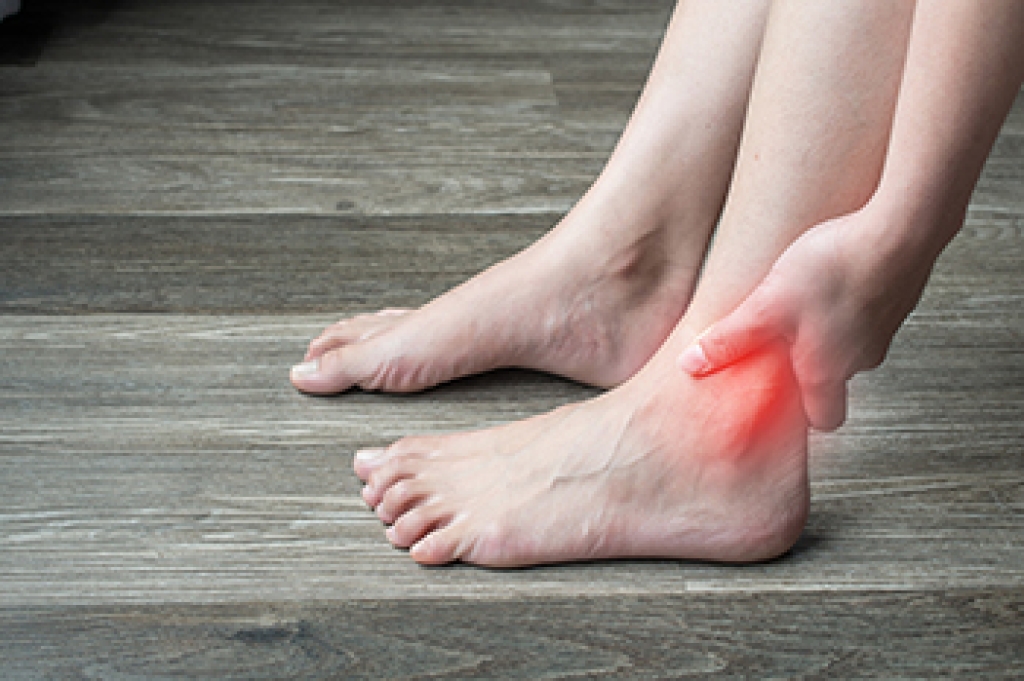
When the Achilles Tendon Is Injured

The Achilles tendon is the strong band of tissue that connects the calf muscles to the heel bone. It plays an important role in walking, running, and pushing the foot off the ground. Because it handles so much force, the tendon is vulnerable to injury. Overuse, sudden increases in activity, tight calf muscles, or poor foot mechanics can lead to irritation known as Achilles tendinitis. People may notice stiffness, swelling, or pain in the back of the heel, especially after exercise. In more severe cases, the tendon can partially tear or rupture completely. A rupture often occurs during sudden movement and may feel like a sharp pop followed by difficulty walking. Early evaluation is important because untreated injuries can worsen and affect mobility. Proper diagnosis allows for appropriate treatment, which may include immobilization, therapy, or other medical care. If you experience pain or sudden weakness in the back of the heel, it is suggested that you see a podiatrist for a proper diagnosis and appropriate treatment.

Achilles tendon injuries need immediate attention to avoid future complications. If you have any concerns, contact Daniel Mendoza, DPM of Nashville Podiatry. Our doctor can provide the care you need to keep you pain-free and on your feet.

What Is the Achilles Tendon?

The Achilles tendon is a tendon that connects the lower leg muscles and calf to the heel of the foot. It is the strongest tendon in the human body and is essential for making movement possible. Because this tendon is such an integral part of the body, any injuries to it can create immense difficulties and should immediately be presented to a doctor.

What Are the Symptoms of an Achilles Tendon Injury?

There are various types of injuries that can affect the Achilles tendon. The two most common injuries are Achilles tendinitis and ruptures of the tendon.

Achilles Tendinitis Symptoms

  • Inflammation
  • Dull to severe pain
  • Increased blood flow to the tendon
  • Thickening of the tendon

Rupture Symptoms

  • Extreme pain and swelling in the foot
  • Total immobility

Treatment and Prevention

Achilles tendon injuries are diagnosed by a thorough physical evaluation, which can include an MRI. Treatment involves rest, physical therapy, and in some cases, surgery. However, various preventative measures can be taken to avoid these injuries, such as:

  • Thorough stretching of the tendon before and after exercise
  • Strengthening exercises like calf raises, squats, leg curls, leg extensions, leg raises, lunges, and leg presses

If you have any questions please feel free to contact our office located in Hendersonville, TN . We offer the newest diagnostic tools and technology to treat your foot and ankle needs.

Read more about The Causes, Types, and Treatments of Achilles Tendon Injuries

How Fibromyalgia Affects the Feet

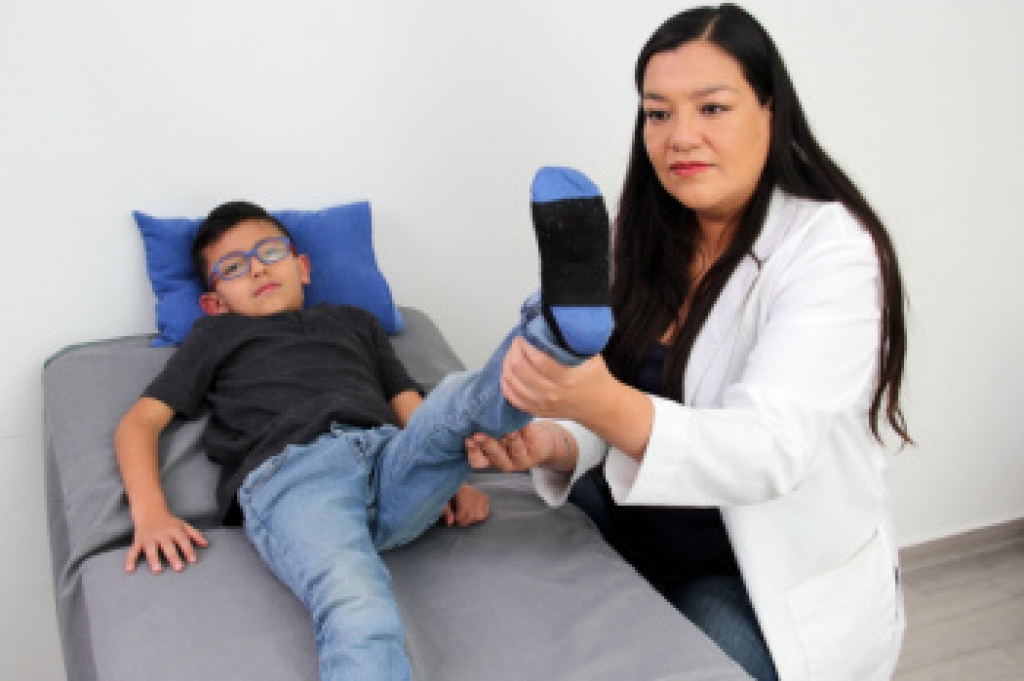
Fibromyalgia is a chronic pain condition that can affect the feet and make movement difficult. Many people report sharp pain in the soles or tops of the feet. The pain can come and go. It may last for long periods and worsen with standing or walking. This foot pain can change the way a person walks and lead to strain in the ankles, knees, hips, and lower back. The cause of foot pain is not fully understood, but it may involve sensitive nerves and irritation of the plantar fascia, a band of tissue that supports the foot. A podiatrist can evaluate foot structure, check motion, and identify pressure points. Treatment plans include custom orthotics, which are shoe inserts designed to improve support and reduce strain, along with supportive devices and monitoring. If you have foot pain as a result of fibromyalgia, it is suggested that you make an appointment with a podiatrist for help.

When dealing with systemic disease of the feet, it is extremely important to check the affected areas routinely so that any additional problems are caught quickly.  If you have any concerns about your feet and ankles contact Daniel Mendoza, DPM from Nashville Podiatry. Our doctor will assist you with all of your podiatric needs.

Systemic Diseases of the Feet

Systemic diseases affect the whole body, and symptoms usually are displayed in the feet. This condition can make a patient’s ability to walk unbearable.  Systemic diseases include gout, diabetes mellitus, neurological disorders, and arthritis.

Gout – is caused by an excess of uric acid in the body. Common symptoms include pain, inflammation, and redness at the metatarsal/phalangeal joint of the base big toe. Gout can be treated by NSAIDs to relieve pain and inflammation, and other drugs that lower the acid levels in the body.

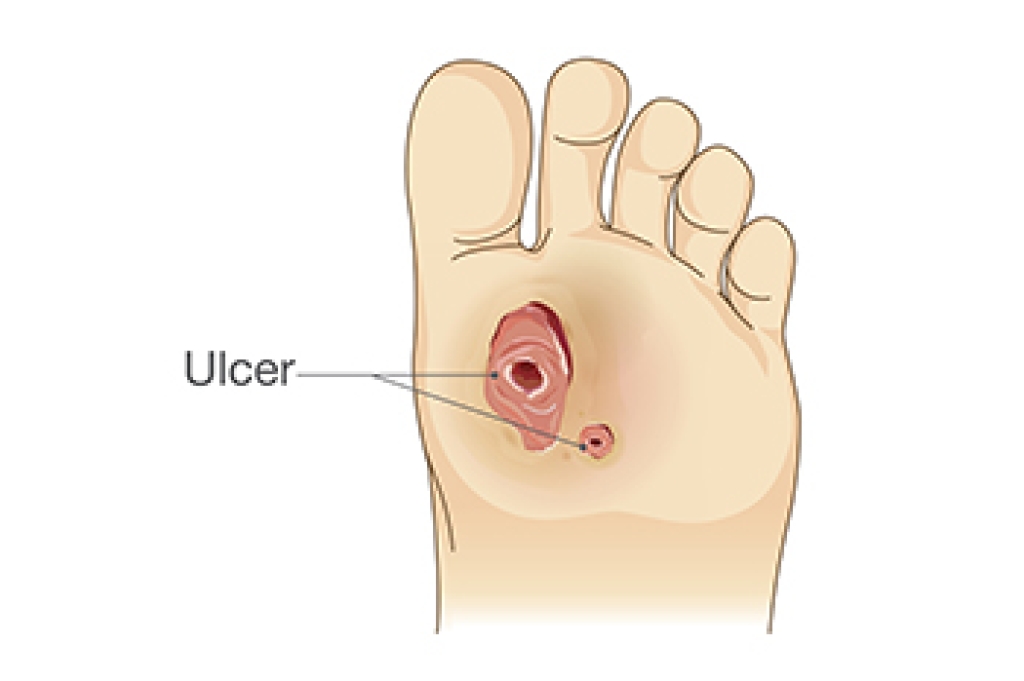
Diabetes mellitus – is an increase in the level of blood sugar that the body cannot counteract with its own insulin. Failure to produce enough insulin is a factor in Diabetes.

Diabetes of the Feet

Diabetic Neuropathy – may lead to damaged nerves and affect the feet through numbness and loss of sensation.

Peripheral Vascular Disease – can restrict the blood flow to the feet, and often times lead to amputation of the feet. 

If you have any questions please contact our office located in Hendersonville, TN . We offer the newest diagnostic and treatment technologies for all your foot and ankle needs.

Read more about Systemic Diseases of the Foot

Ankle Fracture? Don’t Wait for Treatment

If you're suffering from an ankle fracture, professional attention shouldn't wait. Fractures may worsen over time and can make completing everyday activities incredibly difficult. See your specialist for treatment and guidance through the healing process. 

Overpronation and Its Impact on Foot Health

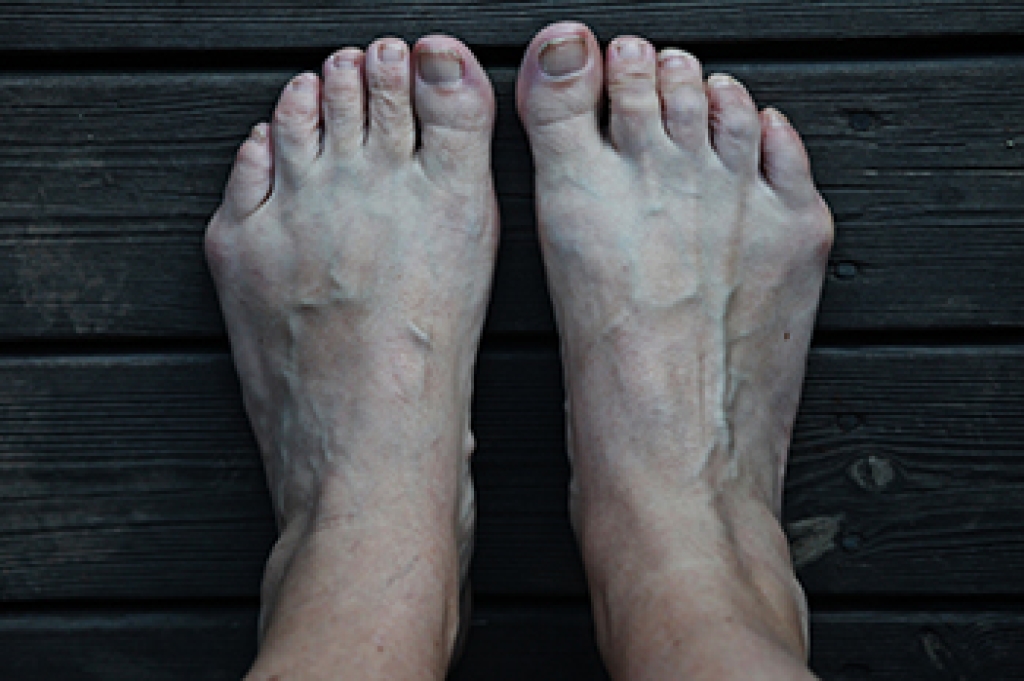
Overpronation occurs when the foot rolls excessively inward while walking or running. This is often due to a flexible foot structure and increased side-to-side movement. It can develop from genetics, obesity, arthritis, or nerve issues related to diabetes that affect muscle control and stability. Symptoms include foot pain, heel discomfort, ankle strain, and uneven shoe wear. Risk factors involve flat arches, repetitive impact activities, and prolonged standing, which can place added stress on joints and ligaments. A podiatrist can evaluate gait mechanics and identify underlying causes. Treatment options include custom orthotics, strengthening exercises, and supportive footwear to improve alignment. If you have this condition, it is suggested that you consult a podiatrist who can offer effective relief and management solutions.

If you have any concerns about your feet, contact Daniel Mendoza, DPM from Nashville Podiatry. Our doctor can provide the care you need to keep you pain-free and on your feet.

Biomechanics in Podiatry

Podiatric biomechanics is a particular sector of specialty podiatry with licensed practitioners who are trained to diagnose and treat conditions affecting the foot, ankle and lower leg. Biomechanics deals with the forces that act against the body, causing an interference with the biological structures. It focuses on the movement of the ankle, the foot and the forces that interact with them.

A History of Biomechanics

  • Biomechanics dates back to the BC era in Egypt where evidence of professional foot care has been recorded.
  • In 1974, biomechanics gained a higher profile from the studies of Merton Root, who claimed that by changing or controlling the forces between the ankle and the foot, corrections or conditions could be implemented to gain strength and coordination in the area.

Modern technological improvements are based on past theories and therapeutic processes that provide a better understanding of podiatric concepts for biomechanics. Computers can provide accurate information about the forces and patterns of the feet and lower legs.

Understanding biomechanics of the feet can help improve and eliminate pain, stopping further stress to the foot.

If you have any questions please feel free to contact our office located in Hendersonville, TN . We offer the newest diagnostic and treatment technologies for all your foot and ankle needs.

Read more about Biomechanics in Podiatry

Reasons for Cracked Heels

Cracked heels develop when the skin on the heel becomes dry, thickened, and splits, sometimes leading to pain or bleeding. This often happens when the skin loses moisture and elasticity. Causes include diet deficiencies that affect skin health, use of harsh soaps that strip natural oils, and exposure to cold weather that dries the skin. Additional factors such as being overweight and walking or standing for long periods of time can increase pressure on the heels and worsen cracking. Risk factors include poor hydration, inadequate foot care, and wearing open back shoes. A podiatrist can help by treating damaged skin, recommending proper care, and preventing infection. If you have painful or persistent cracked heels, it is suggested that you consult a podiatrist who can offer appropriate relief tips, which may include prescribed medication.

Cracked heels are unsightly and can cause further damage to your shoes and feet. If you have any concerns, contact Daniel Mendoza, DPM from Nashville Podiatry. Our doctor can provide the care you need to keep you pain-free and on your feet.

Cracked Heels

Cracked heels appear unappealing and can make it harder for you walk around in sandals. Aside from looking unpleasant, cracked heels can also tear stockings, socks, and wear out your shoes. There are several methods to help restore a cracked heel and prevent further damage.

How Do You Get Them?

Dry skin is the number one culprit in creating cracked heels. Many athletes, walkers, joggers, and even swimmers suffer from cracked heels. Age and skin oil production play a role to getting cracked heels as well.

Promote Healing

Over the counter medicines can help, especially for those that need instant relief or who suffer from chronic dry feet.

Wear Socks – Wearing socks with medicated creams helps lock in moisture.

Moisturizers – Applying both day and night will help alleviate dryness which causes cracking.

Pumice Stones – These exfoliate and remove dead skin, which allows for smoother moisturizer application and better absorption into the skin. 

Change in Diet

Eating healthy with a well-balanced diet will give the skin a fresh and radiant look. Your body responds to the kinds of food you ingest. Omega-3 fatty acids and zinc supplements can also revitalize skin tissue.

Most importantly, seek professional help if unsure how to proceed in treating cracked heels. A podiatrist will help you with any questions or information needed. 

If you have any questions, please feel free to contact our office located in Hendersonville, TN . We offer the newest diagnostic and treatment technologies for all your foot care needs.
Read more about Solutions for Cracked Heels

Connect With Us

scroll to top