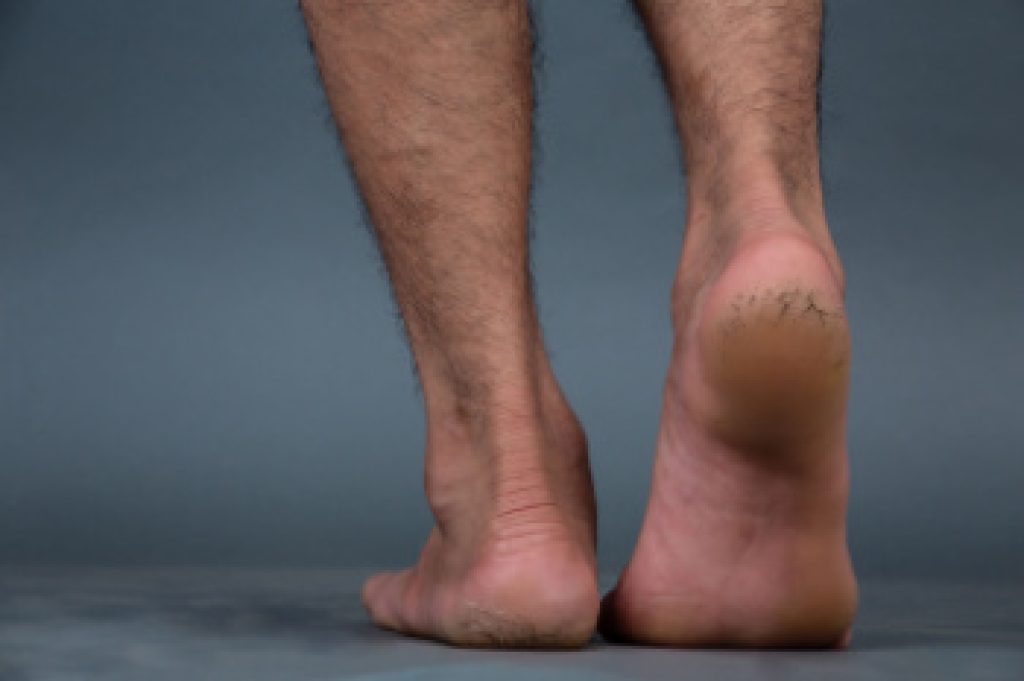
Cracked heels, also known as heel fissures, occur when the skin on the heel becomes dry, thick, and splits under pressure. The heel supports body weight during standing and walking, which makes it more prone to stress and skin breakdown. When the skin loses moisture and elasticity, it can no longer stretch properly, leading to visible cracks. While mild cases may only affect the surface, more severe fissures can deepen and cause discomfort or complications if not treated.
Symptoms of cracked heels include dry, rough skin around the heel, visible splitting, and a hardened or callused surface. In more advanced cases, the cracks may become painful, especially when walking or standing for long periods. Deep fissures can bleed and may expose underlying tissue, increasing sensitivity. If the condition worsens, the open cracks can allow bacteria to enter, raising the risk of infection. Redness, swelling, or drainage may indicate that medical attention is needed.
The primary causes of cracked heels include dry skin, which can result from environmental factors or lack of proper hydration. Walking barefoot can increase pressure on the heel and contribute to skin thickening and splitting. Wearing shoes that do not provide proper support or cushioning can also place added stress on the heel. Standing for extended periods of time and exposure to harsh conditions can further reduce skin flexibility and lead to fissure formation.
Risk factors for cracked heels include aging, obesity, and medical conditions such as diabetes or thyroid disorders that affect skin health. Poor foot hygiene and lack of regular moisturizing can also increase the likelihood of developing heel fissures. Maintaining proper foot care, including hydration and wearing supportive footwear, can help prevent this condition. Early care is important to avoid complications and improve comfort. If you have cracked heels, it is suggested that you consult a podiatrist for effective relief and treatment solutions, which may include prescribed medication.
If the skin on your feet starts to crack, you may want to see a podiatrist to find treatment. If you have any concerns, contact Daniel Mendoza, DPM from Nashville Podiatry. Our doctor can provide the care you need to keep you pain-free and on your feet.
Cracked Heels
It is important to moisturize your cracked heels in order to prevent pain, bleeding, and infection. The reason cracked heels form is because the skin on the foot is too dry to support the immense pressure placed on them. When the foot expands, the dry skin on the foot begins to split.
Ways to Help Heal Them
- Invest in a good foot cream
- Try Using Petroleum Jelly
- Ease up on Soaps
- Drink Plenty of Water
Ways to Prevent Cracked Heels
- Moisturize After Showering
- Skip a Shower
- Keep Shower Water Lukewarm
- Don’t Scrub Your Feet
If you are unsure how to proceed in treating cracked heels, seek guidance from a podiatrist. Your doctor will help you with any questions or information you may need.
If you have any questions, please feel free to contact our office located in Hendersonville, TN . We offer the newest diagnostic and treatment technologies for all your foot care needs.
