A Podiatrist’s Role in Relieving Ankle Pain

Ankle pain is discomfort that affects the joint connecting the foot and lower leg, an area that supports movement of the toes and calves while allowing stability during daily activities. Symptoms can include swelling, tenderness, changes in gait, deformity of the ankle, difficulty moving the ankle or toes, and an inability to bear weight. These issues may come from injury, arthritis, or structural problems. A podiatrist can evaluate the joint, provide a precise diagnosis, offer treatments that improve mobility, reduce pain, and prevent further injury. If you have ankle pain, it is suggested that you seek expert podiatric care to restore comfort and function, beginning your path to relief.

Ankle pain can have many different causes and the pain may potentially be serious. If you have ankle pain, consult with Daniel Mendoza, DPM from Nashville Podiatry. Our doctor will assess your condition and provide you with quality foot and ankle treatment.

Ankle pain is any condition that causes pain in the ankle. Due to the fact that the ankle consists of tendons, muscles, bones, and ligaments, ankle pain can come from a number of different conditions.

Causes

The most common causes of ankle pain include:

  • Types of arthritis (rheumatoid, osteoarthritis, and gout)
  • Ankle sprains
  • Broken ankles
  • Achilles tendinitis
  • Achilles tendon rupture
  • Stress fractures
  • Tarsal tunnel syndrome
  • Plantar fasciitis

Symptoms

Symptoms of ankle injury vary based upon the condition. Pain may include general pain and discomfort, swelling, aching, redness, bruising, burning or stabbing sensations, and/or loss of sensation.

Diagnosis

Due to the wide variety of potential causes of ankle pain, podiatrists will utilize a number of different methods to properly diagnose ankle pain. This can include asking for personal and family medical histories and of any recent injuries. Further diagnosis may include sensation tests, a physical examination, and potentially x-rays or other imaging tests.

Treatment

Just as the range of causes varies widely, so do treatments. Some more common treatments are rest, ice packs, keeping pressure off the foot, orthotics and braces, medication for inflammation and pain, and surgery.

If you have any questions please feel free to contact our office located in Hendersonville, TN . We offer the newest diagnostic tools and technology to treat your foot and ankle needs.

Read more about Ankle Pain

Managing Gout Flares and Protecting Your Foot Health

Gout is a painful form of arthritis caused by a buildup of uric acid crystals in the joints, often affecting the big toe. It may develop due to genetics, a diet high in purines, dehydration, or certain medical conditions. A gout flare-up can make the affected joint appear red, swollen, and shiny, and it often feels intensely painful even with the light pressure of a bedsheet. Some individuals describe the sensation as burning or throbbing, and mobility can become difficult during an attack. An interesting fact is that gout has been documented for thousands of years and was once called the disease of kings due to its association with rich foods. A podiatrist can help by identifying the cause of your foot pain, assessing inflammation, and confirming gout through clinical evaluation or imaging. Treatment may include medication, footwear guidance, joint protection strategies, and long-term prevention education. If you experience sudden joint pain or suspect gout, it is suggested that you make an appointment with a podiatrist.

Gout is a foot condition that requires certain treatment and care. If you are seeking treatment, contact Daniel Mendoza, DPM from Nashville Podiatry. Our doctor will treat your foot and ankle needs.

What Is Gout?

Gout is a type of arthritis caused by a buildup of uric acid in the bloodstream. It often develops in the foot, especially the big toe area, although it can manifest in other parts of the body as well. Gout can make walking and standing very painful and is especially common in diabetics and the obese.

People typically get gout because of a poor diet. Genetic predisposition is also a factor. The children of parents who have had gout frequently have a chance of developing it themselves.

Gout can easily be identified by redness and inflammation of the big toe and the surrounding areas of the foot. Other symptoms include extreme fatigue, joint pain, and running high fevers. Sometimes corticosteroid drugs can be prescribed to treat gout, but the best way to combat this disease is to get more exercise and eat a better diet.

If you have any questions, please feel free to contact our office located in Hendersonville, TN . We offer the newest diagnostic and treatment technologies for all your foot care needs.

Read more about Everything You Need to Know About Gout

Wounds That Don't Heal Need to Be Checked

Your feet are covered most of the day. If you're diabetic, periodic screening is important for good health. Numbness is often a sign of diabetic foot and can mask a sore or wound.

How Foot Function Affects Pain and Balance in Older Adults

As people age, even small changes in foot function can influence how they walk, stand, and maintain balance. Reduced flexibility, muscle weakness, or loss of sensation in the feet can make it harder to adjust to uneven surfaces, often leading to discomfort or instability. Chronic foot pain, whether from arthritis, deformities, or circulation issues, can cause people to alter their gait, which further increases the risk of falls. Wearing supportive footwear and targeted foot-strengthening exercises can improve stability and reduce pressure on painful joints. Podiatrists play an important role in assessing balance, identifying biomechanical problems, and recommending custom orthotics or footwear designed to restore comfort and mobility. If foot pain or unsteadiness is affecting your daily confidence, it is suggested that you visit a podiatrist for personalized evaluation and fall-prevention strategies.

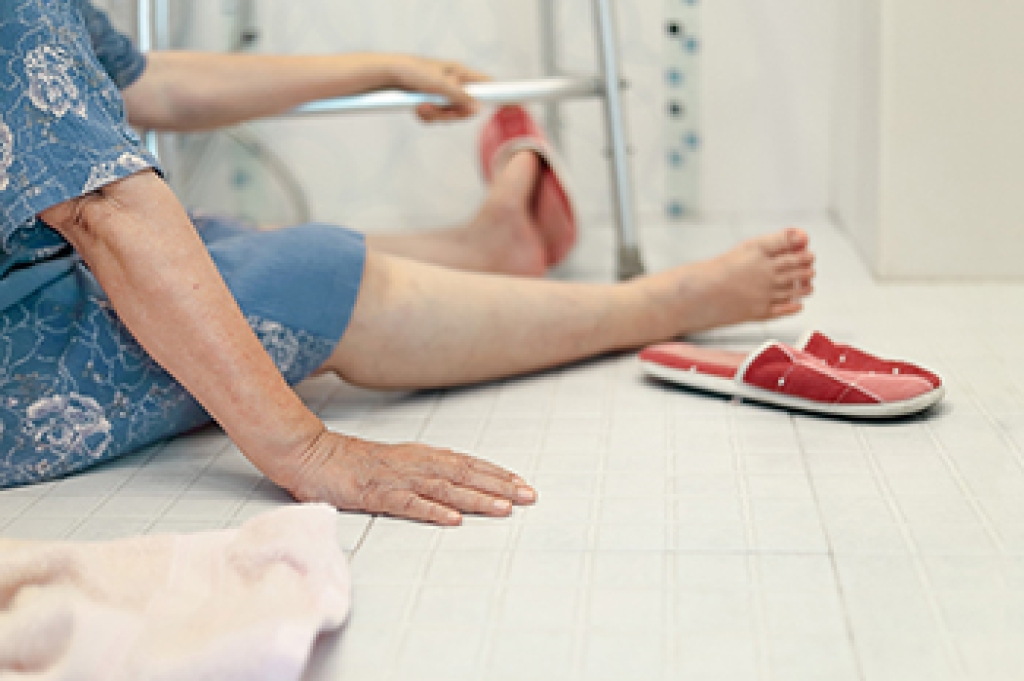
Preventing falls among the elderly is very important. If you are older and have fallen or fear that you are prone to falling, consult with Daniel Mendoza, DPM from Nashville Podiatry. Our doctor will assess your condition and provide you with quality advice and care.

Every 11 seconds, an elderly American is being treated in an emergency room for a fall related injury. Falls are the leading cause of head and hip injuries for those 65 and older. Due to decreases in strength, balance, senses, and lack of awareness, elderly persons are very susceptible to falling. Thankfully, there are a number of things older persons can do to prevent falls.

How to Prevent Falls

Some effective methods that older persons can do to prevent falls include:

  • Enrolling in strength and balance exercise program to increase balance and strength
  • Periodically having your sight and hearing checked
  • Discuss any medications you have with a doctor to see if it increases the risk of falling
  • Clearing the house of falling hazards and installing devices like grab bars and railings
  • Utilizing a walker or cane
  • Wearing shoes that provide good support and cushioning
  • Talking to family members about falling and increasing awareness

Falling can be a traumatic and embarrassing experience for elderly persons; this can make them less willing to leave the house, and less willing to talk to someone about their fears of falling. Doing such things, however, will increase the likelihood of tripping or losing one’s balance. Knowing the causes of falling and how to prevent them is the best way to mitigate the risk of serious injury.  

If you have any questions, please feel free to contact our office located in Hendersonville, TN . We offer the newest diagnostic and treatment technologies for all your foot care needs.

Read more about Falls Prevention

Healthy Feet and Healthy Life With Diabetes

Daily foot care is vital for people with diabetes, as poor circulation and nerve damage can make feet more vulnerable to infection and injury. Wash your feet every day with warm water and mild soap, then dry thoroughly, especially between the toes, to prevent fungal growth. Moisturize dry skin to avoid cracking, but never apply lotion between toes. Check feet daily for blisters, cuts, or color changes, using a mirror if needed. Always wear clean, well-fitted socks and supportive shoes to protect against pressure points and sores. Trim nails carefully, straight across, to prevent ingrown toenails. Avoid walking barefoot, even indoors, and keep blood sugar levels in check to support healthy circulation. If you notice swelling, redness, or wounds that do not heal promptly, it is suggested that you see a podiatrist for evaluation and professional diabetic foot care to prevent complications and maintain mobility.

Diabetic foot care is important in preventing foot ailments such as ulcers. If you are suffering from diabetes or have any other concerns about your feet, contact Daniel Mendoza, DPM from Nashville Podiatry. Our doctor can provide the care you need to keep you pain-free and on your feet.

Diabetic Foot Care

Diabetes affects millions of people every year. The condition can damage blood vessels in many parts of the body, especially the feet. Because of this, taking care of your feet is essential if you have diabetes, and having a podiatrist help monitor your foot health is highly recommended.

The Importance of Caring for Your Feet

  • Routinely inspect your feet for bruises or sores.
  • Wear socks that fit your feet comfortably.
  • Wear comfortable shoes that provide adequate support.

Patients with diabetes should have their doctor monitor their blood levels, as blood sugar levels play such a huge role in diabetic care. Monitoring these levels on a regular basis is highly advised.

It is always best to inform your healthcare professional of any concerns you may have regarding your feet, especially for diabetic patients. Early treatment and routine foot examinations are keys to maintaining proper health, especially because severe complications can arise if proper treatment is not applied.

If you have any questions, please feel free to contact our office located in Hendersonville, TN . We offer the newest diagnostic and treatment technologies for all your foot care needs.
Read more about Diabetic Foot Care

Connect With Us

scroll to top